
Navigating Emotional Well-being for Young Advocates
Purity M. Nyatondo
4 min read
Mental Health
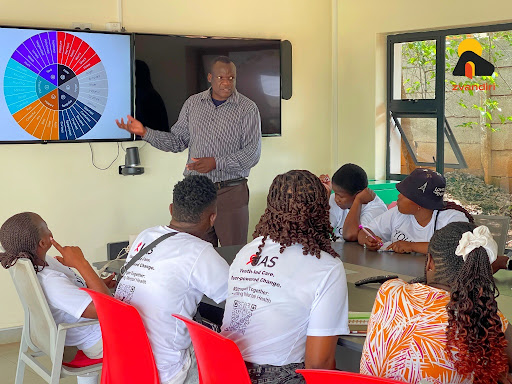
Advocacy work in community health and SRHR is deeply fulfilling, yet it frequently exposes young leaders to high levels of emotional pressure and burn-out. Maintaining mental resilience requires proactive self-inquiry and structured reflection tools.
Understanding the Feelings Wheel
During peer counseling workshops, tools like the Emotional Wheel provide a concrete framework for identifying primary and secondary emotions. Recognizing whether underlying stress stems from vulnerability, exhaustion, or frustration is the first step toward self-regulation.
Practical Self-Inquiry Steps
- Acknowledge without judgment: Observe current emotional states without forcing immediate resolution.
- Question assumptions: Apply inquiry techniques to challenge negative thought loops.
- Establish firm boundaries: Balance community commitments with structured rest intervals.
By fostering personal emotional health, youth advocates build sustainable foundations for long-term community impact.